
Call us now :08045804672
 Send Inquiry
 Send Inquiry
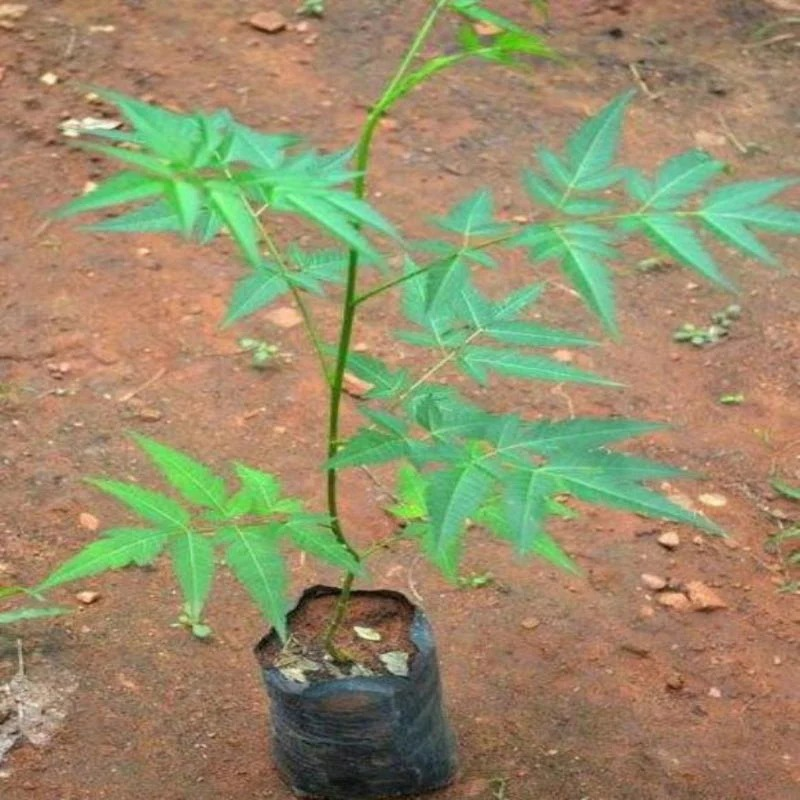
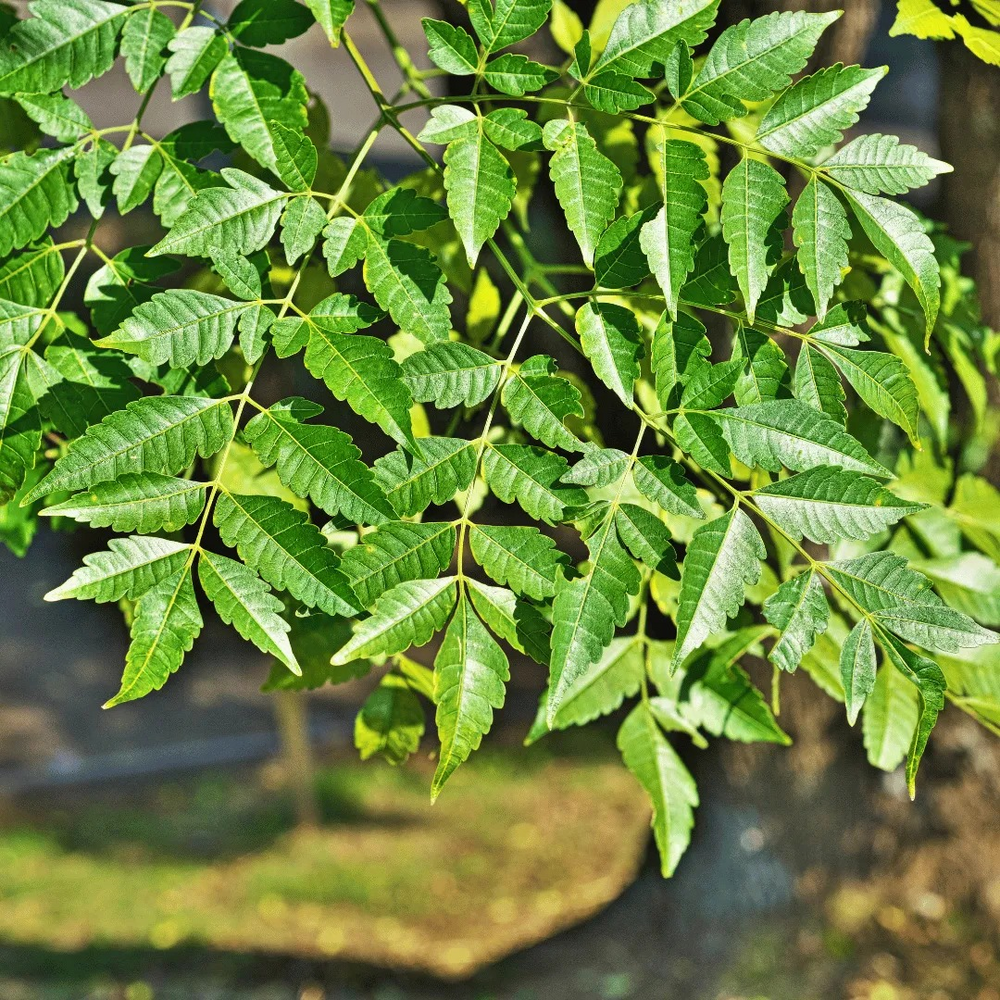
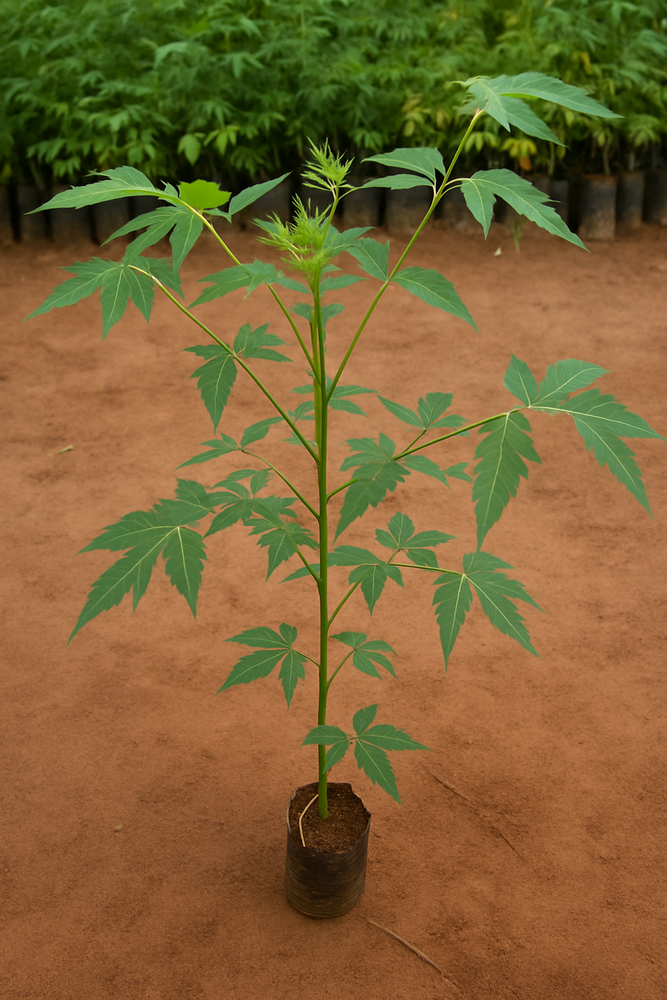
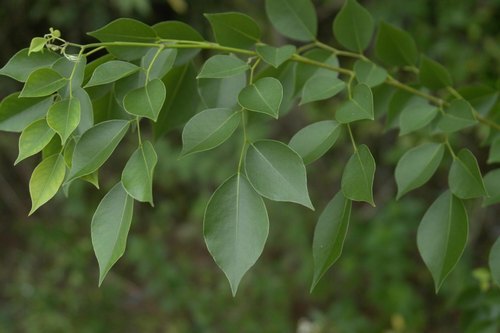
Malabar Neem
Price 20 INR/ Piece
MOQ : 50000 Pieces
Malabar Neem Specification
- Type
- Plant
- Variety
- Malabar Neem
- Breed
- Tissue Culture
- Part
- Stem
- Color
- Green
- Size
- 2 to 4 feet
- Stem length
- 2 to 3 feet
- Shelf Life
- 12 Months
- Climate Suitability
- Tropical and Subtropical
- Plant Quality
- Disease free, Vigorous growth
- Other Names
- Melia dubia
- Usage
- Timber, Pulp, Agroforestry, Biomass Plantations
- Propagation Method
- Tissue Culture Sapling
- Watering Requirements
- Regular irrigation, moderate water
- Growth Rate
- Very Fast-growing
- Age at Sale
- 3 Months
- Plant Height When Mature
- 15 to 20 meters
- Planting Season
- Monsoon and Early Winter
- Soil Type
- Sandy loam to clay
Malabar Neem Trade Information
- Minimum Order Quantity
- 50000 Pieces
- Supply Ability
- 100000 Pieces Per Week
- Delivery Time
- 2-3 Days
- Main Domestic Market
- Punjab, Haryana, Uttar Pradesh
About Malabar Neem
Client is dealing on bulk order
General Botanical Information
Scientific Name: Melia dubia
Common Names: Malabar Neem, Maha Neem, Malai Vembu, Malabar Vembu
Family: Meliaceae
Origin: Native to Southern Asia including India and Sri Lanka
Growth and Cultivation
Growth Rate: Very fast growing
Height: Up to 30 meters at maturity
Diameter: 60 to 80 centimeters at breast height
Lifespan: Around 20 to 25 years
Harvesting Period: Typically after 6 to 8 years
Planting Spacing: 10 feet by 10 feet
Trees Per Acre: About 1000 to 1200
Environmental Requirements
Climate: Tropical to subtropical
Temperature Range: 15 to 40 degrees Celsius
Rainfall Requirement: 600 to 2500 millimeters per year
Soil Type: Well drained loamy or sandy loam soil
Soil pH: Between 6 and 7 point 5
Sunlight: Full sunlight
Water and Maintenance
Irrigation: Regular during early stage, minimal after establishment
Pest and Disease: Generally resistant
Timber Specifications
Wood Color: Light yellow to brown
Wood Density: Around 450 to 600 kilograms per cubic meter
Main Uses: Plywood, packing boxes, furniture, fuelwood
Other Benefits
Carbon Sequestration: High
Intercropping: Can grow with crops like turmeric and ginger
Environmental Impact: Improves soil and is eco friendly
Rapid Growth and Vigorous Saplings
Malabar Neem tissue culture saplings are distinguished by their superior growth rate and robust health. At just 3 months, these plants are ready for field planting, offering disease-free, vigorous growth. The breeds exceptional adaptability to a variety of soils and climates makes it a preferred choice for commercial and agroforestry projects seeking quick returns and sustainable biomass.
Ideal for Timber, Pulp, and Biomass
Malabar Neem is widely valued for its multifaceted usage across timber, pulp, and biomass industries. With its substantial height and straight stems, the plant yields high-quality wood and biomass material. This versatility, alongside rapid maturity, ensures it meets the demand for renewable resources and supports sustainable farming and energy ventures.
FAQs of Malabar Neem:
Q: How is Malabar Neem propagated for commercial planting?
A: Malabar Neem, or Melia dubia, is propagated using tissue culture saplings. This advanced method ensures disease-free plants with uniform and vigorous growth, making them ideal for large-scale timber, agroforestry, and biomass applications.Q: What are the optimal conditions for growing Malabar Neem?
A: Malabar Neem thrives in tropical and subtropical regions. It prefers sandy loam to clay soils, requires regular irrigation with moderate water, and is best planted during the monsoon or early winter seasons to maximize growth potential.Q: When can Malabar Neem saplings be sold or transplanted?
A: Saplings are available for sale and transplanting at three months of age. At this stage, they exhibit healthy growth and are suitable for establishing timber plantations, pulp wood farms, or biomass projects.Q: Where is Malabar Neem most commonly cultivated in India?
A: Malabar Neem plantations are widespread throughout India, particularly in regions with tropical and subtropical climates. Commercial growers and service providers supply plants to farmers and agroforestry ventures nationwide.Q: What is the process for establishing a Malabar Neem plantation?
A: To set up a Malabar Neem plantation, purchase tissue culture saplings aged at least three months, plant them during monsoon or early winter, ensure regular moderate irrigation, and maintain disease-free conditions for optimal growth.Q: What are the main uses of Malabar Neem once it matures?
A: Mature Malabar Neem is primarily used for timber, pulp wood, and biomass. Its straight stem and rapid growth make it suitable for timber production, while its high biomass yield supports energy projects and agroforestry systems.Q: What benefits does Malabar Neem offer to growers and industry?
A: Malabar Neem delivers fast returns due to its rapid growth, high wood yield, and adaptability. Its tissue culture propagation guarantees plant health, while its versatility in timber, pulp, and biomass supports sustainable industry and farming practices.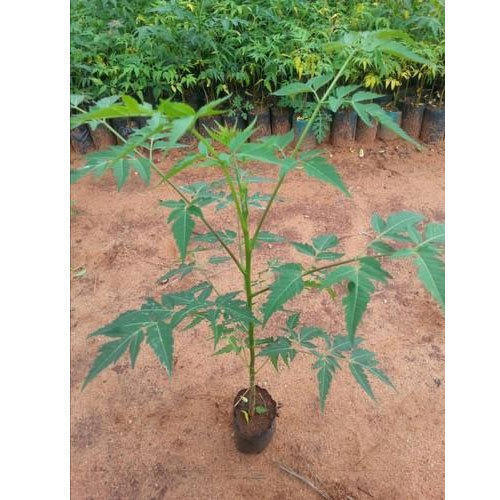
Tell us about your requirement

Price:
Quantity
Select Unit
- 50
- 100
- 200
- 250
- 500
- 1000+
Additional detail
Mobile number
Email

More Products in Palm Plants Category
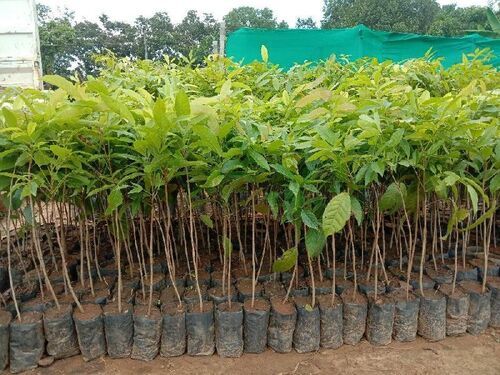

"We mainly deals in Bulk Order Quantity in Haryana, Punjab, Uttar Pradesh, India."

 Send Inquiry
Our Products

Vill. & P.O. - Buddha Khera, Chilkana Road, Near-Union Bank, Poetry Firm, Saharanpur - 247231, Uttar Pradesh, India

 Send Inquiry
 Send SMS
Developed and Managed by Infocom Network Private Limited.
