
Call us now :08045804672
 Send Inquiry
 Send Inquiry
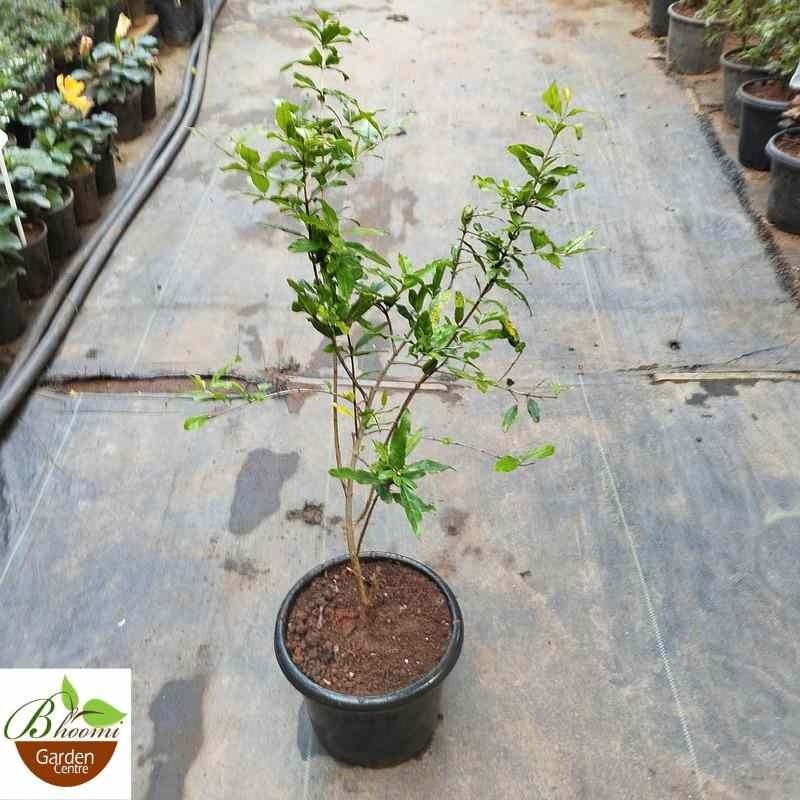
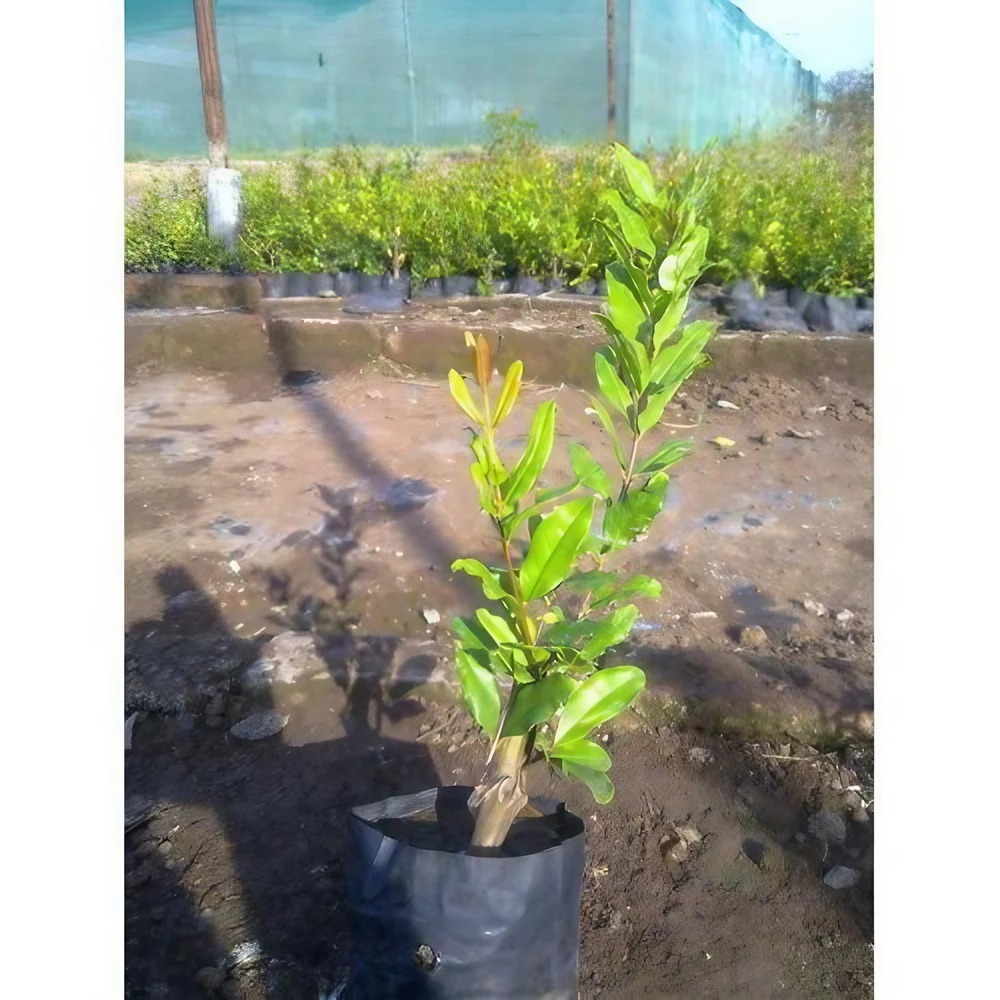
Anar Plants
Price 50 INR/ Piece
MOQ : 50000 Pieces
Anar Plants Specification
- Type
- Anar Plants
- Variety
- Fruiting
- Breed
- Hybrid
- Part
- Plant
- Color
- Green
- Size
- Medium
- Stem length
- 12-15 Inches
- Shelf Life
- 12-15 Months
- Growth Rate
- Fast
- Usage
- Commercial & Home Garden
- Pest Resistance
- Moderate
- Fertilizer Use
- Organic or NPK fertilizer
- Planting Season
- Spring or Monsoon
- Temperature Tolerance
- 20°C to 38°C
- Yield Capacity
- High
- Water Requirement
- Moderate
- Fruit Bearing Age
- 2-3 Years
- Sunlight Requirement
- Full Sun
- Soil Requirement
- Well-drained loamy soil
Anar Plants Trade Information
- Minimum Order Quantity
- 50000 Pieces
- Supply Ability
- 100000 Pieces Per Week
- Delivery Time
- 2-3 Days
- Main Domestic Market
- Punjab, Haryana, Uttar Pradesh
About Anar Plants
Client is dealing on bulk order
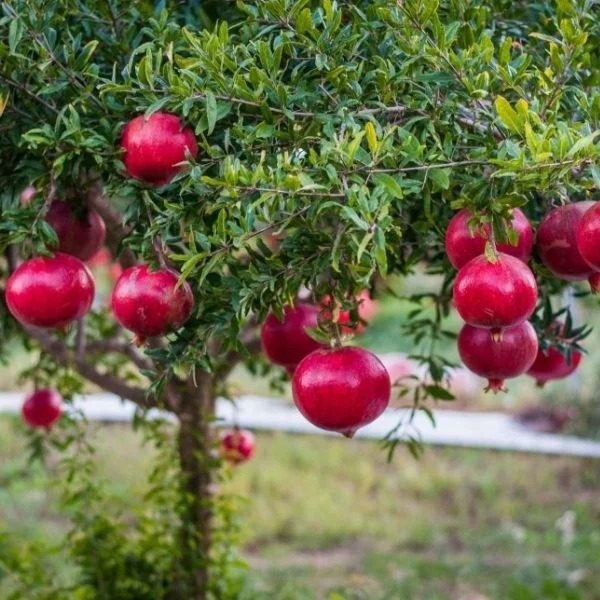
Pomegranate also known as Anar in Hindi is a fruit-bearing shrub or small tree. It is popular for its sweet and juicy seeds and is widely grown in gardens and farms.
Basic Information
Botanical Name - Punica granatum
Common Name - Pomegranate or Anar
Family - Lythraceae
Type - Shrub or Small Tree
Height - 5 to 8 meters
Lifespan - 15 to 30 years
Fruit Time - 5 to 7 months after flowering
Optimal Growing Conditions for Anar Plants
Anar plants flourish in well-drained loamy soils with moderate water and require full sunlight for vigorous growth. Maintaining temperatures between 20C and 38C supports healthy fruiting, while regular feeding with organic or NPK fertilizer ensures robust development. Their hybrid breed and medium size make them adaptable to various Indian climates, suiting both home and commercial setups.
Efficient Planting and Maintenance Tips
Planting is best scheduled for the spring or monsoon seasons. Prepare rich, airy soil and provide consistent moisture without waterlogging. Occasional fertilization, along with vigilant pest monitoring, optimizes plant health. With proper care, Anar plants achieve rapid maturity, yielding high quantities of quality fruit by the second to third year.
Harvesting and Usage Versatility
Within 2-3 years of planting, Anar plants offer a high fruit yield suitable for both personal use and commercial marketing. The harvested fruits have an impressive shelf life of 12-15 months, making them ideal for both fresh consumption and storage. Their resilience and hybrid vigor assure reliable returns for growers.
FAQ's of Anar Plants:
Q: How should I prepare the soil before planting Anar Plants?
A: Anar Plants thrive in well-drained, loamy soils. It is important to loosen the soil and mix in organic compost or aged manure before planting, ensuring proper drainage and nutrient availability for rapid growth.Q: What is the recommended watering schedule for Anar Plants?
A: These plants require moderate watering. Water deeply once or twice a week, allowing the topsoil to dry slightly between watering sessions, especially in the growing season, to prevent root rot.Q: When is the best time to plant Anar Plants for optimal fruiting?
A: Planting during the spring or monsoon seasons is ideal in India, as the moderate climate during these periods promotes healthy root development and increases the chances of abundant fruit yields.Q: Where should Anar Plants be placed for maximum growth and yield?
A: Anar Plants need full sunlight exposure. Choose a planting location that receives at least 6 to 8 hours of direct sunlight daily to encourage vigorous growth and abundant fruit production.Q: What fertilizers are most effective for Anar Plants and how often should they be applied?
A: Both organic compost and balanced NPK fertilizers work well. Apply fertilizer at the beginning of the growing season and repeat once every two months to maintain soil fertility and boost overall plant performance.Q: How can I use Anar Plants for both commercial and home gardening purposes?
A: Thanks to their high yield, good pest resistance, and extended fruit shelf life, Anar Plants suit both large-scale commercial orchards and small home gardens. Fruits can be stored fresh for up to 12-15 months, enhancing their market and household value.Q: What benefits do hybrid Anar Plants offer compared to traditional varieties?
A: Hybrid Anar Plants mature quickly (2-3 years), consistently produce high-quality fruit, show better pest resistance, and adapt well to diverse Indian climates, offering significant advantages for growers and consumers alike.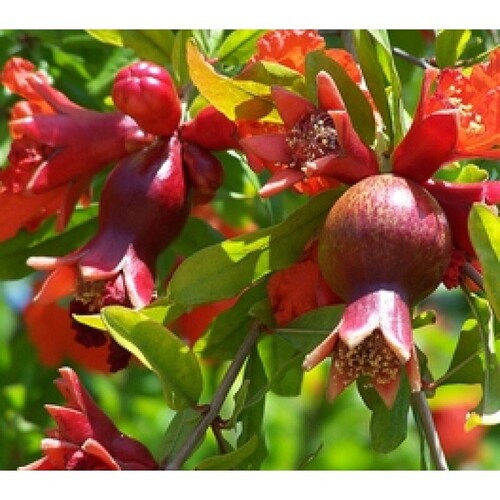
Tell us about your requirement

Price:
Quantity
Select Unit
- 50
- 100
- 200
- 250
- 500
- 1000+
Additional detail
Mobile number
Email

More Products in Fruit Plants Category
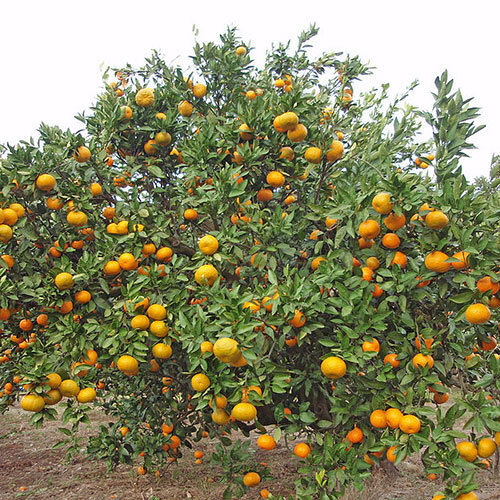
Kinnu Plants
Price 70 INR / Piece
Minimum Order Quantity : 50000 Pieces
Type : Other, Fruit Plant
Stem length : Medium
Size : 3045 cm (plant height)
Part : Other, Live Plant
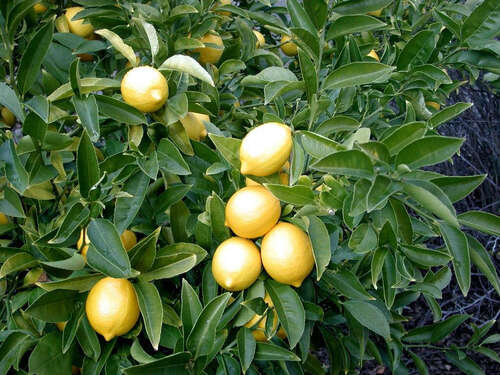
Lemon Plants
Price 100 INR / Piece
Minimum Order Quantity : 50000 Pieces
Type : Other, Lemon Plant
Stem length : 1025 cm
Size : 2 to 3 feet
Part : Other, Live Plant

"We mainly deals in Bulk Order Quantity in Haryana, Punjab, Uttar Pradesh, India."

 Send Inquiry
Our Products

Vill. & P.O. - Buddha Khera, Chilkana Road, Near-Union Bank, Poetry Firm, Saharanpur - 247231, Uttar Pradesh, India

 Send Inquiry
 Send SMS
Developed and Managed by Infocom Network Private Limited.
